
Aquatic Animal Production Innovation Curriculum
and fisheries resource management
Innovative Aquatic Animal Production and Fishery Resource Management
Curriculum philosophy
The philosophy of the Innovative Aquaculture Production and Fishery Resource Management curriculum is based on Experientialism and Competency-based Education, aiming to encourage learners to “excel in their own way, have well-being, learn for practical application, and be flexible and adaptable.” It emphasizes that effective learning must stem from hands-on practice and real-world experience, combined with step-by-step development.
This curriculum emphasizes building a strong academic foundation in fisheries science and aquatic animal production technology. Students will engage in hands-on practice in both laboratories and the field, developing skills through close collaboration with farmers and fishing communities. It integrates knowledge with the application of innovations in aquatic animal production technology, fisheries resource management, and modern learning models that address the needs of contemporary society.
The instructors in the course act as facilitators of learning, aiming to encourage learners to create and apply innovations for sustainable aquaculture and fisheries resource management.
The ultimate goal of this curriculum is to produce “innovator graduates” who have the potential for critical thinking and problem-solving, and who can use innovation to develop aquaculture and fishery resource management to efficiently and sustainably meet the needs of the community, society, and the country.
Objective
- To develop graduates with knowledge, understanding, and skills in aquaculture science and efficient fishery resource management.
- To produce graduates who can apply knowledge of science, technology, and digital innovation to analyze, solve problems, and develop approaches for aquaculture and sustainable fishery resource management
- To produce graduates with the ability to adapt, continuously learn new things, create innovations, and work well with others.
- To produce graduates with a sense of social and environmental responsibility, professional ethics, and the ethical and sustainable use of innovation.
Course information
Careers that can be pursued after graduation
Aquaculture worker
Aquatic Product Supplier / Promotional Sales Representative
Fisheries Biologist, Department of Fisheries
Fisheries Biologist, Department of Marine and Coastal Resources
Aquatic Biological Product Research and Development Officer
aquaculture farm owner
Project Officer
Conservationists in an NGO
Researchers
Outsourced worker / Environmental operations officer
Curriculum structure
Show the number of credits and course categories of the curriculum
| Total number of credit hours for the entire program | 129 | Credit |
|---|---|---|
| A. General Education Courses | 30 | Credit |
| Core Courses | 6 | Credit |
| Language and Communication Study Group | 9 | Credit |
| faculty-determined course groups | 9 | Credit |
| General education elective courses | 6 | Credit |
| B. Specific course category | 93 | Credit |
| Science Core Group | 18 | Credit |
| Faculty of Agriculture Group | 18 | Credit |
| For the specific course group in the curriculum, choose to study not less than | 36 | Credit |
| Elective courses: choose to study not less than | 15 | Credit |
| Alternative Education Group | 6 | Credit |
| C. Free Electives Category | 6 | Credit |
| Total number of credit hours for the entire program | 127 | Credit |
|---|---|---|
| A. General Education Courses | 24 | Credit |
| Institution Identity Promotion Skill Group | 12 | Credit |
| Language and Communication Elective Group | 3 | Credit |
| General Education elective courses | 9 | Credit |
| B. Specific course category | 97 | Credit |
| Science Core Group | 15 | Credit |
| Faculty of Agriculture Group | 15 | Credit |
| Core curriculum group | 43 | Credit |
| Elective courses: choose to study not less than | 18 | Credit |
| Alternative Education Group | 6 | Credit |
| C. Free Electives Category | 6 | Credit |
Admission / Fees
General information for applicants
Admission requirements
Accepting applicants who are currently studying or have graduated from Grade 12 (M.6) under the Science-Mathematics and Arts-Calculation study plans, and/or in accordance with the institute's announcement regarding the admission of individuals for undergraduate studies.
Fee
18,000 baht / semester
Faculty members of the curriculum
Curriculum in Aquatic Production Innovation and Fishery Resource Management
Curriculum in Aquatic Production Innovation and Fishery Resource Management
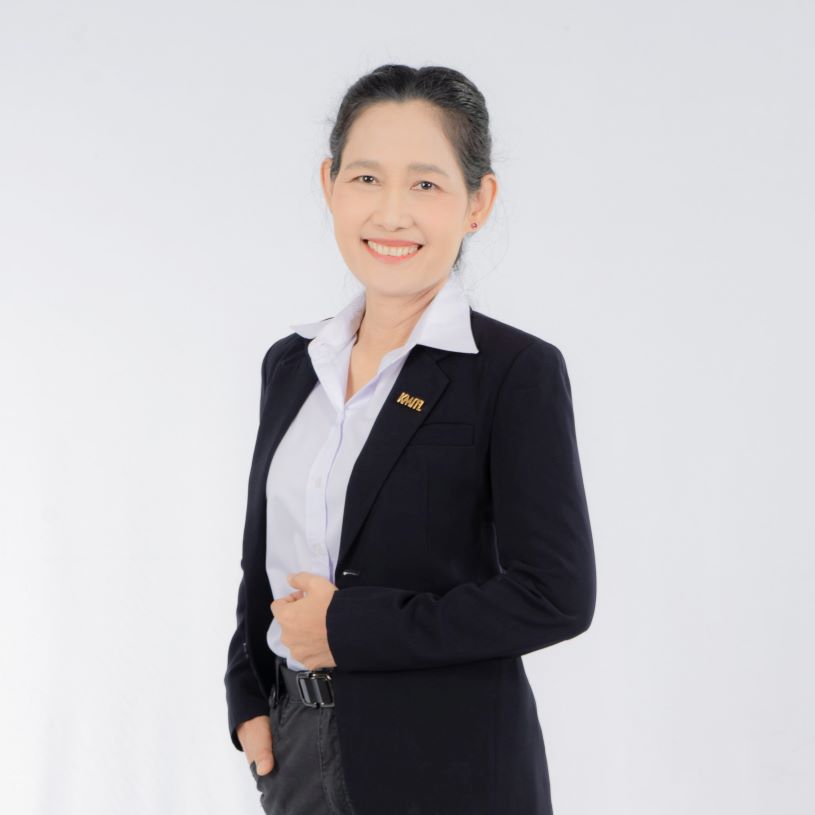
Prof. Dr. Suneerat Ruangsบูรณ์
Prof. Dr. Suneerat Ruangsomboon

Assoc. Prof. Dr. Monthon Kianmanee
Assoc. Prof. Dr. Monthon Ganmanee

Assoc. Prof. Dr. Rungtawan Yomla
Assoc. Prof. Dr. Rungtawan Yomla

Assoc. Prof. Dr. Wanlada Klangnurak
Assoc. Prof. Dr. Wanlada Klangnurak

Asst. Prof. Dr. Atcharee Ruangdej
Asst. Prof. Dr. Uscharee Ruangdej
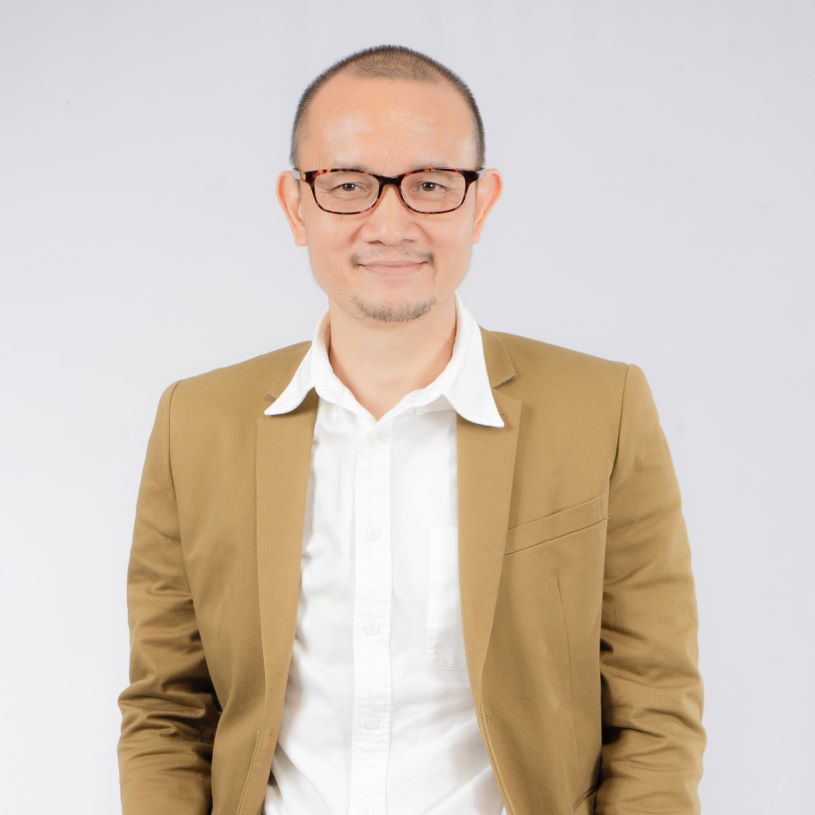
Asst. Prof. Dusit Ua-amnuey
Asst. Prof. Dusit Aue-umnoey

Asst. Prof. Dr. Suwaree Kitikhiao
Asst. Prof. Dr. Suwaree Kitikiew
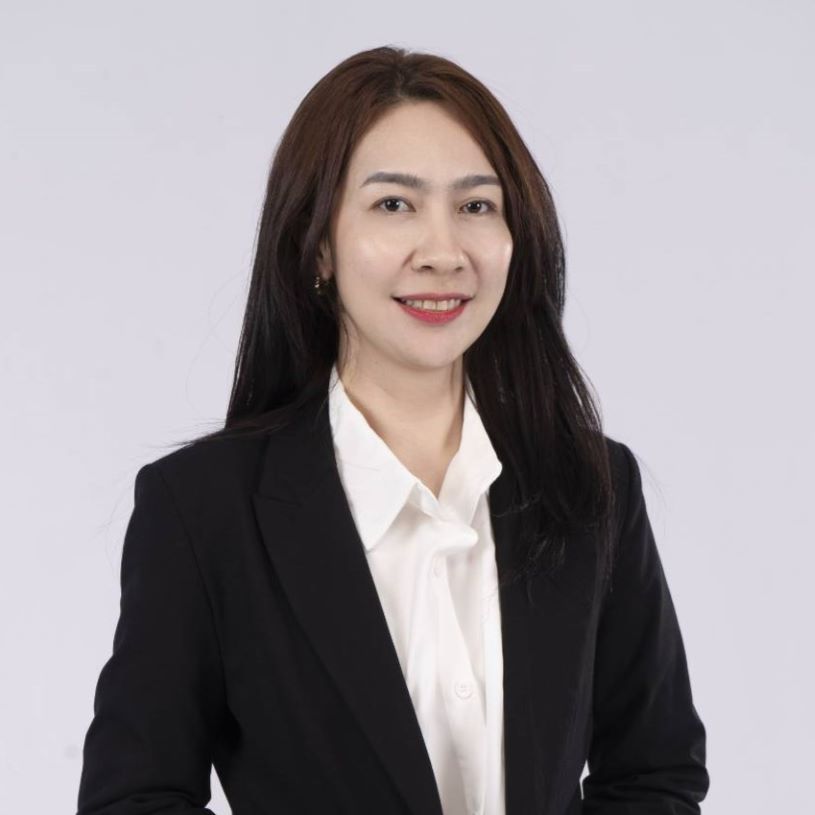
Dr. Pajongjit Thongsri
Dr. Pajongjit Tongsri
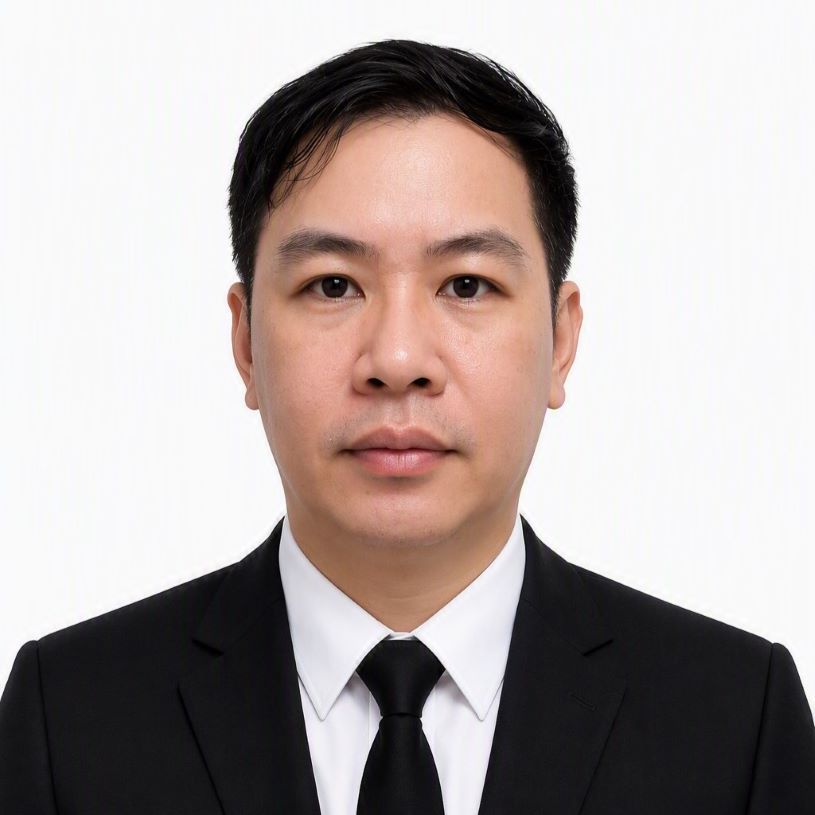
Dr. Siripong Wongphraprateep
Dr. Siripong Wongpornprateep
Course learning outcomes
Program Learning Outcomes: PLO
Comprehensive knowledge of aquaculture science
Fishery resource and environmental management knowledge
Apply knowledge of fisheries science to correctly and academically solve and prevent problems in aquaculture and fishery resource management in real-world situations for sustainable development.
Analyze data and accurately present the results of fisheries science analysis through the use of information technology.
Use digital technology and modern tools correctly and appropriately in aquaculture and fishery resource management.
Can perform basic fishery science laboratory procedures correctly according to standards.
able to perform fieldwork for aquaculture and fisheries resource management according to standards
Able to appropriately communicate and present academic information on aquaculture and fisheries resource management to target audiences
Able to work in a team and ready to adapt according to roles and responsibilities.
Demonstrate professional responsibility by considering the impact of operations on water source ecosystems.
Grade-level learning outcomes
Display the expected student learning outcomes for each year level.
| Academic year | Learning outcomes | Relevant PLO |
|---|---|---|
| 1 | Explain the basic principles of agricultural science, chemistry, biology, microbiology, and the fundamental principles of aquaculture and fisheries resource management. | PLO 1, PLO 2 |
| Use agricultural mathematics to understand basic data. | PLO 4 | |
| Use scientific laboratory equipment correctly and safely. | PLO 6 | |
| Able to collaborate with others on preliminary TEAM-Projects, demonstrate individual responsibility, and work effectively with the community. | PLO 9, PLO 10 | |
| 2 | Explain the in-depth relationships in aquatic ecosystems, ichthyology, invertebrates, aquatic animal physiology, nutrition, aquatic animal health, and planktology. | PLO 1, PLO 2 |
| Can explain farm management principles and the use of agricultural digital technology | PLO 4, PLO 5 | |
| Can perform field operations and collect data related to community fisheries, water quality, and farm management. | PLO 7 | |
| Use commercial software for preliminary fisheries science data analysis | PLO 4 | |
| 3 | Apply knowledge of modern fishery innovation and technology for fisheries science | PLO 3 |
| Use computer programs to manage and analyze data, and be able to plan research methodology | PLO 4, PLO 5 | |
| Integrate practical and field skills with research methodology and work on complex research projects. | PLO 3, PLO 4, PLO 6, PLO 7 | |
| Present academic work in a seminar format systematically | PLO 8 | |
| Practical work in an organization or establishment to enhance job readiness in the professional field. | PLO 6, PLO 7 | |
| 4 | Integrate all bodies of knowledge to conduct a special problem project or cooperative education practice to solve complex problems in real-world situations. | PLO 3, PLO 4, PLO 5, PLO 6, PLO 7 |
| Work correctly or proficiently in laboratories or fields related to projects or cooperative education. | PLO 6, PLO 7 | |
| Be responsible for performance duties, society, and the environment, as well as consider the impact of aquatic animal resource utilization. | PLO 10 | |
| Perform professionally, and be able to communicate and work effectively with the organization. | PLO 8, PLO 9, PLO 10 |
News and updates channels
Follow the news and activities of the curriculum.
Aquatic Innovation KMITL
Follow announcements, news, activities, and admission information for the Innovative Aquaculture and Fishery Resource Management program.